
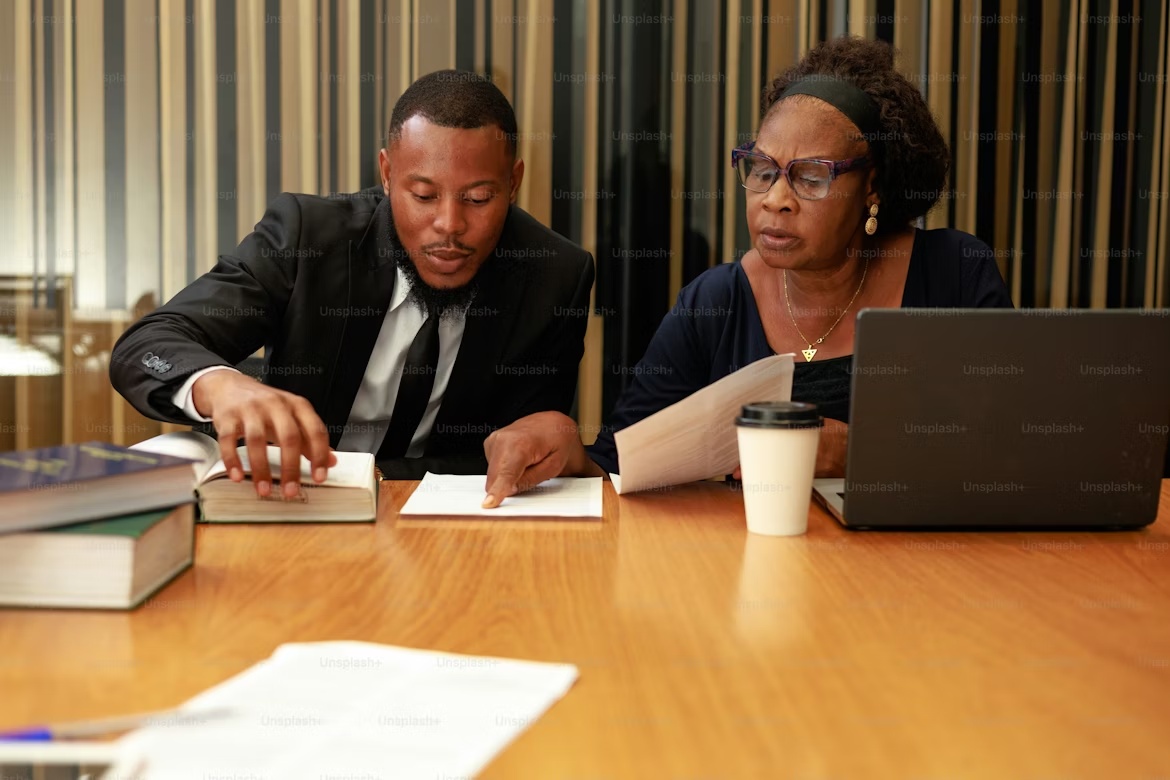
Every family experiences conflict. It is a normal, even healthy, part of human relationships. When people live together, share resources, and navigate competing needs and desires, disagreements are inevitable. In fact, conflict itself is not the problem—the problem is how we handle it.
In Cameroonian families, the stakes of conflict can feel particularly high. We live in close proximity to extended family. Our identities are deeply intertwined with our family roles. Cultural expectations around respect, obedience, and family loyalty add layers of complexity to every disagreement. When conflict arises, it doesn’t just affect the individuals involved; it ripples through the entire family system.
At ANGIHCC, we specialize in marriage and family counseling. We have seen families on the brink of collapse find their way back to each other. We have seen couples who could not speak without screaming learn to listen with empathy. We have seen parents and children bridge generational divides and build new understanding.
This post explores the nature of family conflict, why it can be so difficult to resolve, and practical strategies for building bridges rather than walls.
Understanding the Roots of Family Conflict
Family conflict rarely springs from a single source. More often, it is the accumulation of multiple factors that create a combustible situation. Understanding these underlying factors is the first step toward resolution.
1. Communication Breakdowns
Most family conflicts involve some degree of communication failure. One person says something with a particular intention; another person hears something completely different. Assumptions are made. Words are left unsaid. The gap between what we mean and what others hear can be enormous.
Common communication patterns that fuel conflict include:
Criticism: Attacking a person’s character rather than addressing specific behavior
Defensiveness: Responding to complaints with counter-complaints or excuses
Contempt: Speaking from a position of superiority, using sarcasm or mockery
Stonewalling: Withdrawing from interaction, shutting down, refusing to engage
When these patterns become habitual, they erode the foundation of trust and safety that families need to thrive.
2. Unmet Expectations
We all enter family relationships with expectations—some conscious, some unconscious. We expect our spouses to understand our needs without our having to explain them. We expect our children to follow the paths we have laid out for them. We expect our parents to be available whenever we need them.
When these expectations are not met, we feel disappointed, hurt, and angry. We may not even recognize that our reaction stems from an expectation we never articulated. The other person, unaware of what we expected, feels blindsided by our reaction.
3. Power Dynamics
Every family has a power structure, whether explicit or implicit. Who makes the decisions? Whose needs take priority? Who has the final say? When these power dynamics are rigid or unfair, conflict is almost inevitable.
In many Cameroonian families, traditional hierarchies assign authority based on age, gender, or birth order. While these structures can provide stability, they can also leave some family members feeling silenced or devalued. Younger family members may resent being told what to do. Women may chafe at decisions made without their input. The tension between traditional expectations and modern values is a frequent source of intergenerational conflict.
4. Life Transitions
Families are dynamic systems that must constantly adapt to change. Children grow up and seek independence. Parents age and need care. Couples navigate the transition to parenthood, the empty nest, retirement. Each of these transitions requires the family to reorganize itself, and this reorganization can be stressful.
During transitions, old patterns that once worked may no longer be functional. Parents who were skilled at caring for infants may struggle to parent teenagers. Couples who thrived when focused on raising children may find themselves strangers when the children leave home. The need to develop new ways of relating creates fertile ground for conflict.
5. External Stressors
Families do not exist in a vacuum. Economic pressures, health challenges, work demands, and community issues all affect family dynamics. When families are under external stress, their internal resources are depleted. Small disagreements that might be manageable under normal circumstances become major battles.
In Cameroon, many families face significant economic pressure. The cost of education, healthcare, and daily necessities strains family resources. When money is tight, every expenditure becomes a potential source of conflict. Who gets to go to school? Whose medical needs take priority? How do we stretch limited resources to cover everyone’s needs?
The Cost of Unresolved Conflict
When family conflict is not resolved, the costs accumulate over time. Individuals may experience chronic stress, anxiety, and depression. Children growing up in high-conflict homes are at greater risk for emotional and behavioral problems. Family members may become estranged, cutting off contact rather than continuing to suffer.
Unresolved conflict also has physical health consequences. Chronic stress elevates cortisol levels, increases inflammation, and contributes to cardiovascular disease, weakened immune function, and a host of other health problems.
Perhaps most painfully, unresolved conflict robs families of the joy and support that family relationships should provide. Instead of being a source of comfort and strength, family becomes a source of pain and stress.
Strategies for Building Bridges
The good news is that even deeply entrenched family conflicts can be resolved. It takes commitment, courage, and often professional support, but healing is possible. Here are some strategies that can help families build bridges rather than walls.
1. Create Safety for Difficult Conversations
Before any meaningful dialogue can occur, family members need to feel safe. They need to know that they can speak honestly without being attacked, blamed, or dismissed. Creating this safety often requires structure.
Consider establishing ground rules for difficult conversations:
One person speaks at a time
No interrupting
No name-calling or personal attacks
Everyone gets a chance to speak
The goal is understanding, not winning
In our family counseling sessions at ANGIHCC, we create this structure so that families can begin to have conversations they have been avoiding for years.
2. Listen for Understanding, Not Agreement
Most of us listen with the goal of formulating our response. We are waiting for the other person to finish so we can make our point. This is not listening; it is preparing to talk.
Real listening involves setting aside your own perspective temporarily and seeking to understand the other person’s experience. What are they feeling? What matters to them? What do they need?
When people feel truly heard, something shifts. They become less defensive. They become more open to hearing your perspective. Understanding does not require agreement, but it is the foundation upon which agreement can eventually be built.
3. Separate the Person from the Problem
In family conflicts, it is easy to slip into seeing the other person as the problem. “If only he would change…” “She is so difficult…” This framing makes resolution impossible because you cannot change another person; you can only change yourself.
A more helpful approach is to see the problem as separate from the person. You and your family member are on the same side, facing a problem together. The problem might be a communication breakdown, a disagreement about roles, or a difficult decision. Framing it this way shifts from “me against you” to “us against the problem.”
4. Focus on Needs, Not Positions
In any conflict, people take positions—specific demands or solutions they are advocating for. “I want to go to this school.” “I need you to be home by 9 PM.” “I should make the decisions about our parents’ care.”
Behind every position is a need—something deeper and more fundamental. The teenager who wants to go to a particular school may need autonomy, respect, or a sense of future. The parent who sets a curfew may need to feel secure, to know their child is safe. The sibling who wants to make care decisions may need to feel valued, to contribute meaningfully.
When you focus on positions, conflict escalates because positions are often incompatible. When you focus on needs, you open up possibilities. There are many ways to meet a need for autonomy or security. Exploring those possibilities together is the work of resolution.
5. Take Responsibility for Your Part
In any conflict, everyone contributes something. Even if you feel the other person is 95% responsible, there is almost always something you have done that has made the situation worse. Maybe you have withdrawn. Maybe you have been critical. Maybe you have held onto resentment.
Taking responsibility for your part is not the same as accepting all the blame. It is acknowledging that you are part of the system and that changing your behavior can change the system. When you model accountability, it becomes easier for others to do the same.
6. Seek Professional Support
Some conflicts are too entrenched, too painful, or too complex for families to resolve on their own. This is not a failure; it is a recognition that we sometimes need help. A skilled family therapist can:
Provide a neutral space for difficult conversations
Help family members hear each other
Identify patterns that keep conflict going
Teach new skills for communication and problem-solving
Support the family through the healing process
At ANGIHCC, our marriage and family counseling services are designed to support families at every stage—from those experiencing minor disagreements to those on the brink of estrangement.
The Healing Journey
Resolving family conflict is not a linear process. There will be setbacks. Old patterns will re-emerge. But with commitment and support, families can heal. They can develop new ways of relating that honor everyone’s needs and values. They can become sources of strength and support for each other.
We have seen it happen. Couples who came to us unable to speak to each other leave holding hands. Parents and children who had been estranged for years find their way back to relationship. Families that were fractured by grief or conflict discover new resilience.
If your family is struggling, you do not have to navigate it alone. ANGIHCC is here to support you. Contact us at (+237) 677797065 or info@angihcc.org to learn more about our family counseling services.